EuGMS SIG on Gerontechnology Open Online Meeting
CONNECTION DETAILS – To join the meeting please use this link:
SIG Gerontechnology & Digital Health - OPEN Meeting - 10:00-12:00 | Meeting-Join | Microsoft Teams
Please note that the meeting will be recorded and that the audio and video recordings might be used by the EuGMS for dissemination on the EuGMS website and social media.
Dear Colleagues,
In recognition of the transformative role that technology and digital health play in healthcare, the SIG on Gerontechnology & Digital Health is pleased to invite you to the first 2026 webinar.
The topic of this webinar comes from the ‘Wearables and Apps’ SIG subsection, spanning from how mobility metrics can predict and estimate fall risk to how wearable sensors can help our understanding of the complex sleep and circadian rhythms of older adults.
“Digital Biomarkers of Ageing: From Fall Prediction to Sleep and Circadian Health”
The agenda of the upcoming seminar is as follows:
10:00 – 10:05 | Welcome
10:05 – 10:45 | Using New Technologies to Enhance Fall Prediction and Prevention
Presentation by Prof. Stephen Lord. (40 minutes)
10:45 – 11:25 | Sleep and circadian rhythms in older adults: insights from wearable sensors
Presentation by Prof. Alessandro Silvani. (40 minutes)
11:25 – 11:55 | Q&A + Discussion
11:55 – 12:00 | Closing remarks
Using New Technologies to Enhance Fall Prediction and Prevention
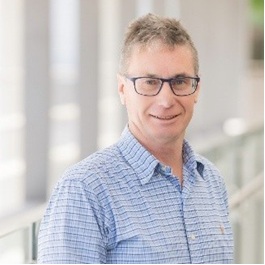
Stephen Lord is a Scientia Professor at the University of New South Wales and a Senior Principal Research Fellow at Neuroscience Research Australia, Sydney, Australia. He has published over 600 papers in the areas of instability, falls and fractures in older people and clinical groups with balance impairment. His research follows two main themes: the identification of neuropsychological, sensorimotor and balance risk factors for falls and the development and evaluation of fall prevention strategies. His current projects include the development of digital gait biomarkers, reactive step training and cognitive-motor interventions to prevent falls and studies addressing fall risk in people with stroke, multiple sclerosis, Parkinson’s disease chemotherapy induced peripheral neuropathy and cognitive impairment. He is also actively engaged in initiatives aimed at implementing fall prevention evidence into policy and practice.
Sleep and Circadian Rhythms in Older Adults: Insights from Wearable Sensors
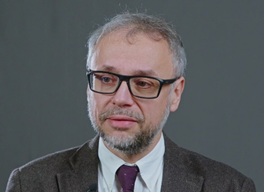
Alessandro Silvani, MD, PhD, is an Associate Professor of Physiology at the University of Bologna, Italy, and serves as Chair of the Scientific Committee of the European Sleep Research Society. His research concerns translational integrative physiology and pathophysiology of sleep and sleep disorders, with a particular focus on cardiovascular autonomic control and orexin (hypocretin) signalling.
We warmly encourage you to join us, share your thoughts, and be part of this insightful discussion.
Please connect on time, keep your microphone muted when not speaking, and enjoy this scientific exchange with us!